
Many of us have engaged in correspondence and discussions about learning the practice of
Holistic Management over the years. This blog will take our discussions to another level so we
can get more holistic decision-making on the ground, where we find meaningful leverage.
Finding Leverage for Life
Think about it. All life on our planet (as we know it) comes from the ecosystem processes.
Improving the function of these processes will make life more resilient. Water begins to absorb, at the soil
surface. Plants begin to germinate and grow, at the soil surface. Plants begin to decompose and build soil,
at the soil surface. Tools affecting ecosystem function engage at the soil surface. The greatest marginal
reaction and leverage point for the improvement of life on our planet lies at the soil surface.
Empowering Decisions at the Soil Surface
This blog will explore how we can better develop markets, policy, investment, knowledge,
and skills that will empower those making decisions at the soil surface.
The Illusion of Control
Those of us making decisions in the real world have learned not to take things literally. Words rarely do justice to what we are trying to explain. We know that people come from different geography, cultures, and economies. We need to listen for their intent when they speak, which means accepting language as a metaphor.
The most damaging thing we can do when dealing with complexity is to think we are in control. Knowing that land, people, and money are complex complicates our communication. The self-organization of complexity keeps things fluid, and we cannot get stuck in being static and literal.
Predicting the Future
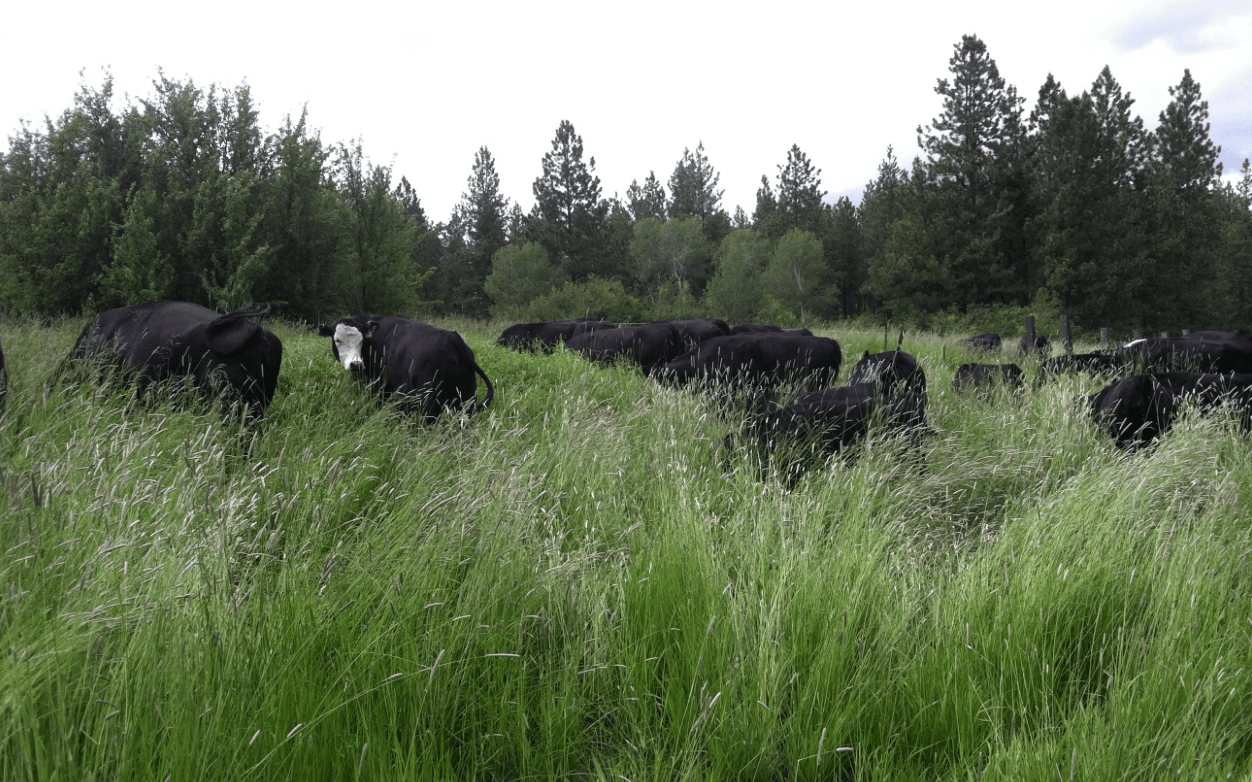
Once you have seen something many times, we can predict the future. We know that mimicking nature’s predator/prey relationship will improve plant vigor, recycle plant material, increase species diversity, and capture the raindrop. We know that grazing management will most likely double our stocking rate. Getting a free ranch without increasing overheads is like printing money. This knowledge and skill are a game changer.
Managing for Drought, While Reversing Climate Change
Drought has always been a factor on the grasslands of the world but climate change has been increasing the frequency and intensity. Reversing climate change will not be resolved simply by planting trees. Properly managed grazing increases biodiversity. The New York Times reports that decisions addressing climate change often damage biodiversity, but decisions increasing biodiversity address climate change. Manage for biodiversity first.
The Power of a Chart: Discovering Enhanced Profitability through Holistic Planned Grazing
Whether or not you celebrate the U.S. holiday Thanksgiving, I wish you all joy during this time of gratitude.
I am most thankful for each and every person on this listserve for all you do to improve the health of our soil, the health of our animals, and the health and support for those making decisions at the soil surface.
I am thankful for Holistic Management and the focus it has provided toward our common challenge of healing our planet. I am thankful to my friends, acquaintances, and colleagues who have stepped up to make a difference at the soil surface.
As we move toward regenerative communities, economies, and land, I remember and appreciate what each of you brought to our collective table. The potential for regeneration hinges on our ability to honor our relationships. Relationships with our fellow decision-makers, our crew, our customers, our finances, our animals, our plants, and our soil are imperative for regeneration to happen.
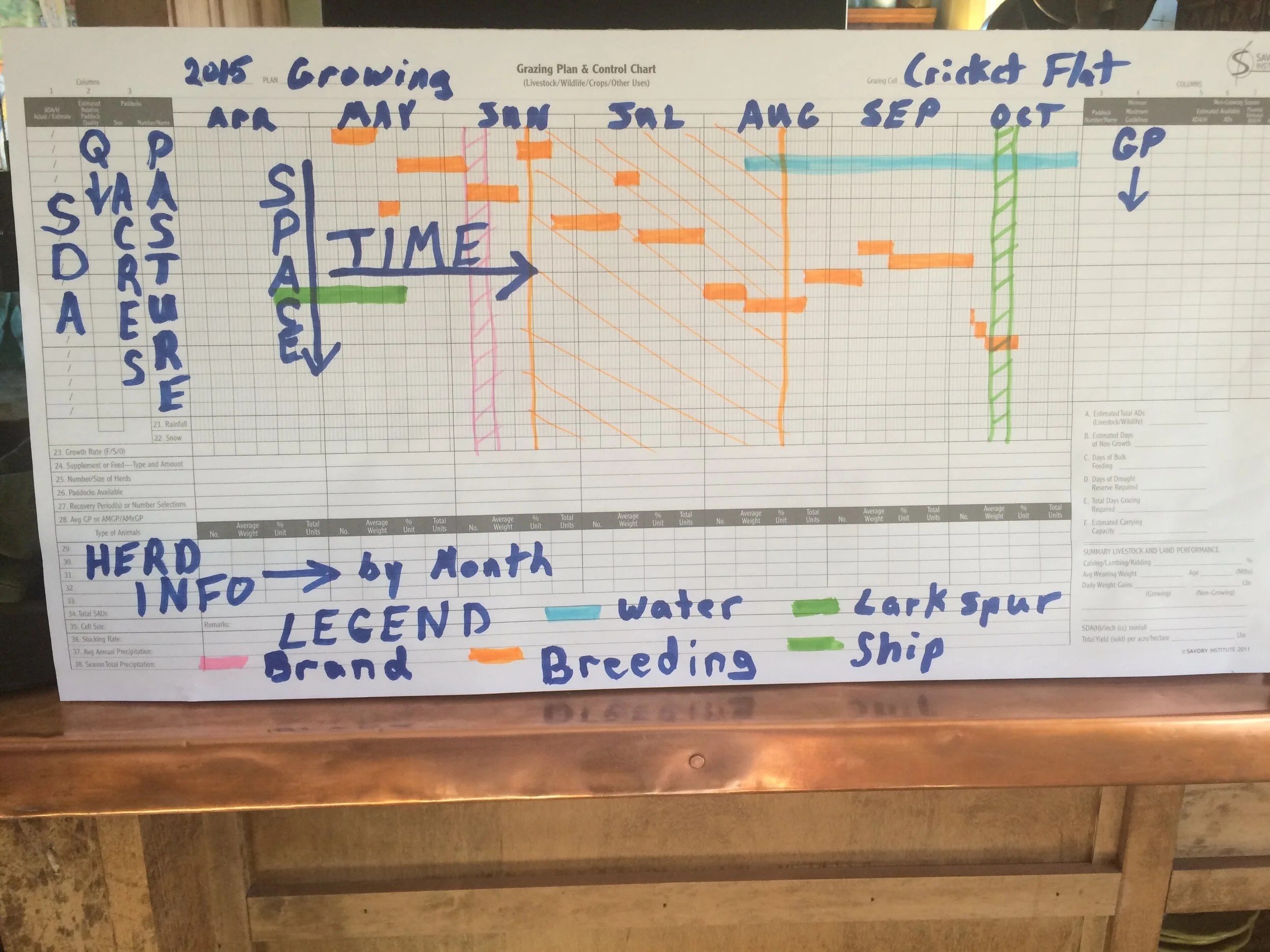
Take a look at this blog and take some time to rethink the power of a grazing plan.
For those of you that would like to learn or delve into holistic grazing planning more deeply, we are thrilled to announce our social distancing virtual planned grazing seminar starting January 31st.
In appreciation,
Tony
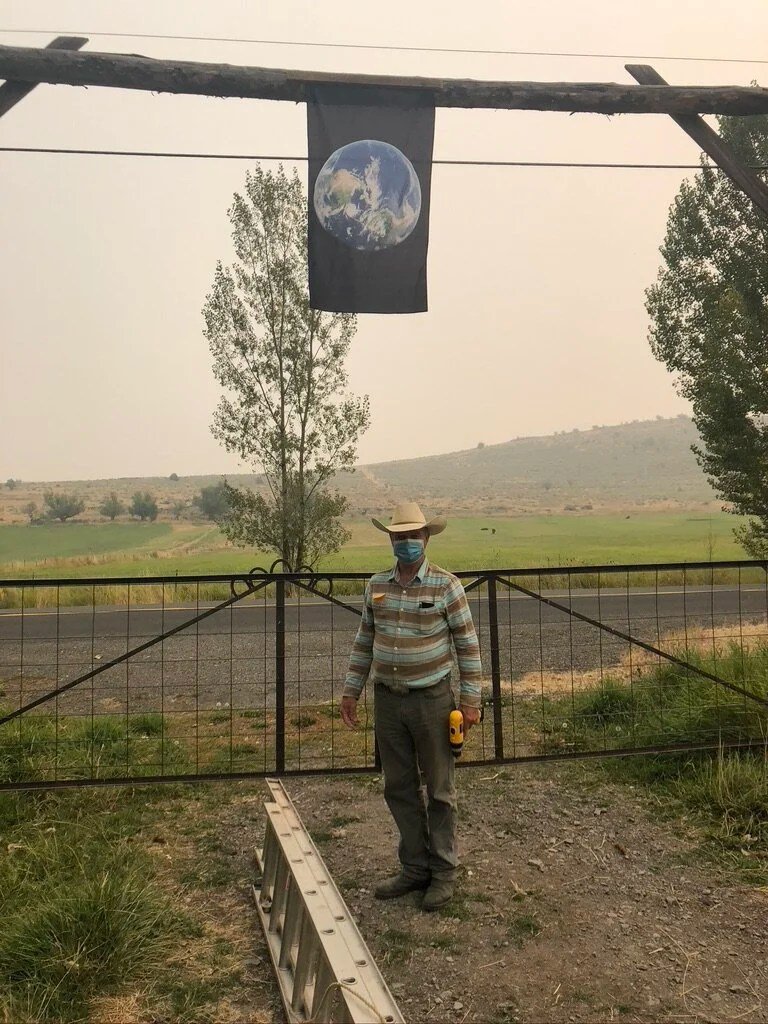
We are Earthlings
The nature of flags seems to divide. My political party vs. yours, my country vs. yours, my state vs. yours. This flag? “We are Earthlings.”
Two years ago I posted this blog Fire & Brimstone. At the time, I thought the fire season couldn’t get any worse. Our hearts go out to all of those who have lost so much. Now is the time more than ever that we start acting like Earthlings and care for our one ecosystem.
Regenerating Soils and Souls Guided by Holistic Management
It's been years in the making. My book is ready to publish. It's about overgrazing and recovery, disturbance, simplicity and complexity, diversity and homogeneity, life and death. And that's just the people. I also talk about land management, soil health, and finances. The story wraps around events and experiences unique to me, but the message touches all who live at, benefit from, or support those making decisions at the soil surface. In other words, everyone.
An Eruption. A Funeral. The Lessons.
Forty years ago, at 8:32 AM, May 18, 1980, Mt. St. Helens leveled 230 square miles in the wake of its blast. Fifty-seven people, 7,000 big game animals, and countless fish and birds perished in the plume of death. In addition, 250 homes, 47 bridges, 15 miles of railway, and 185 miles of highway destroyed.
A few hours earlier, and one-thousand miles away, my family was emotionally flattened when my dad died of a massive heart attack at 50 years of age. Mt. St. Helens spewed 540 million tons of ash over 22,000 square miles. Two hundred miles east of the volcano, ash-covered grass, so livestock owners had to feed hay. As the mourners filed out of the funeral home in Lander, WY, they had to turn on their wipers to clear the cinders from the windshield. I remember my aunt Sally wiping the memorabilia off the hood of her car and into a quart jar.
Corona Days: Making Threats Beneficial
Paralysis, a reset, and restart allow us to see what we always thought to be true, differently. After looking at the nature of markets, I went to a Bud Williams marketing seminar. With my cleared brain, his perspective was brilliant. We don’t have to buy low and sell high to make money with our livestock. He explained that we are merely trading inventory. We sell an animal that will not add value and use that money to buy an animal that will add value. We are simply downloading animals that can best utilize the inventory of feed we have available. We learn that we buy our profit and make money on our grass, whether we are in an up market or a down market.
Getting a benefit from a threat takes a shift in perspective and focusing on what we are doing.
Free Your Mind - Free a River
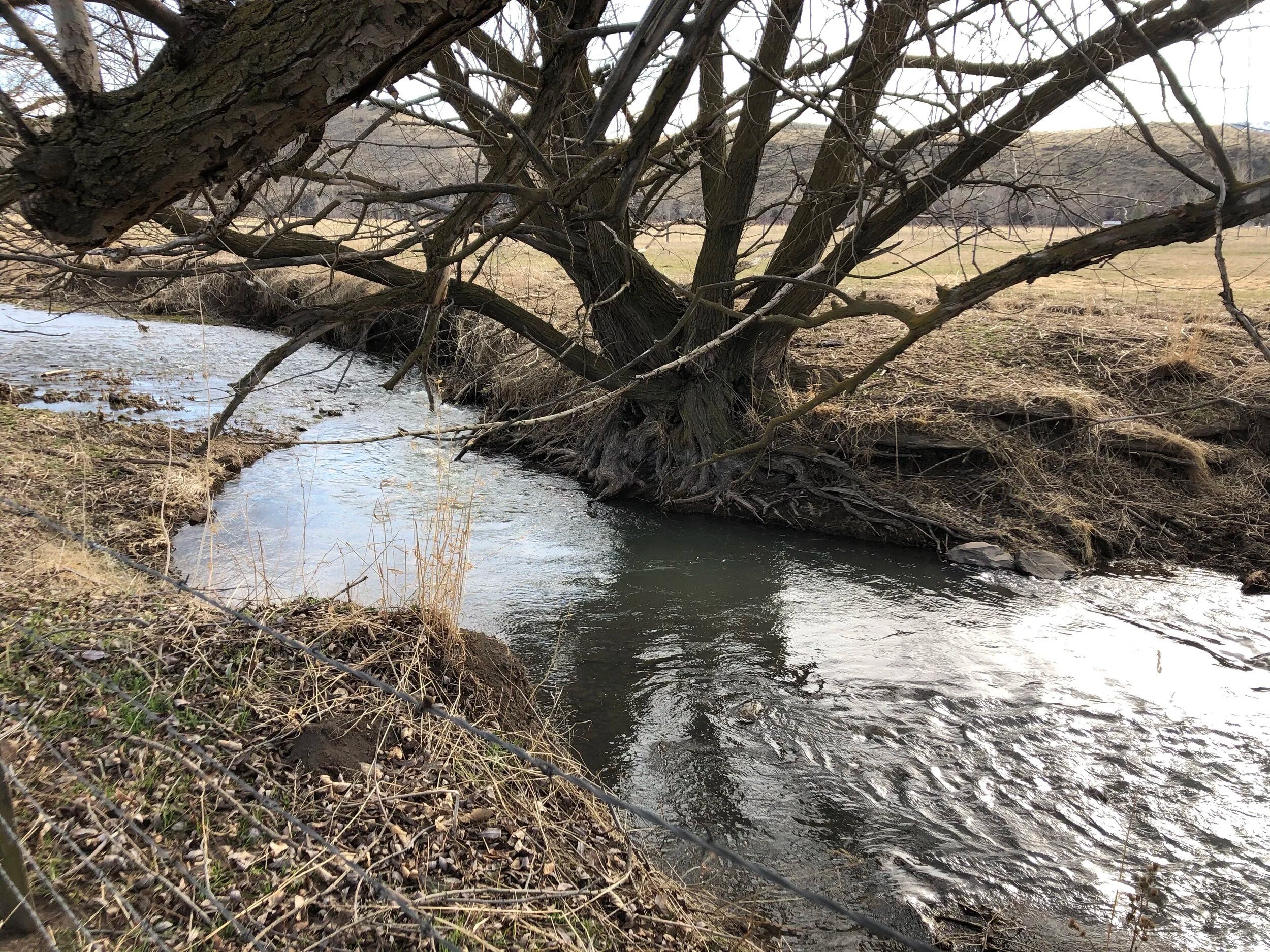
The Juliana River, whose name is now diminished to Little Creek was released from prison for a week this spring. A log jam plugged an irrigation diversion and pushed the churning, angry, water out across the relic flood plain. As it spread, the agitation calmed, the anger released, and the grass screened the sediment and embraced the nutrients before the river softly slipped back in the channel before reaching the City of Union's residential section, right above Edwin Baird's house.
The Space Place
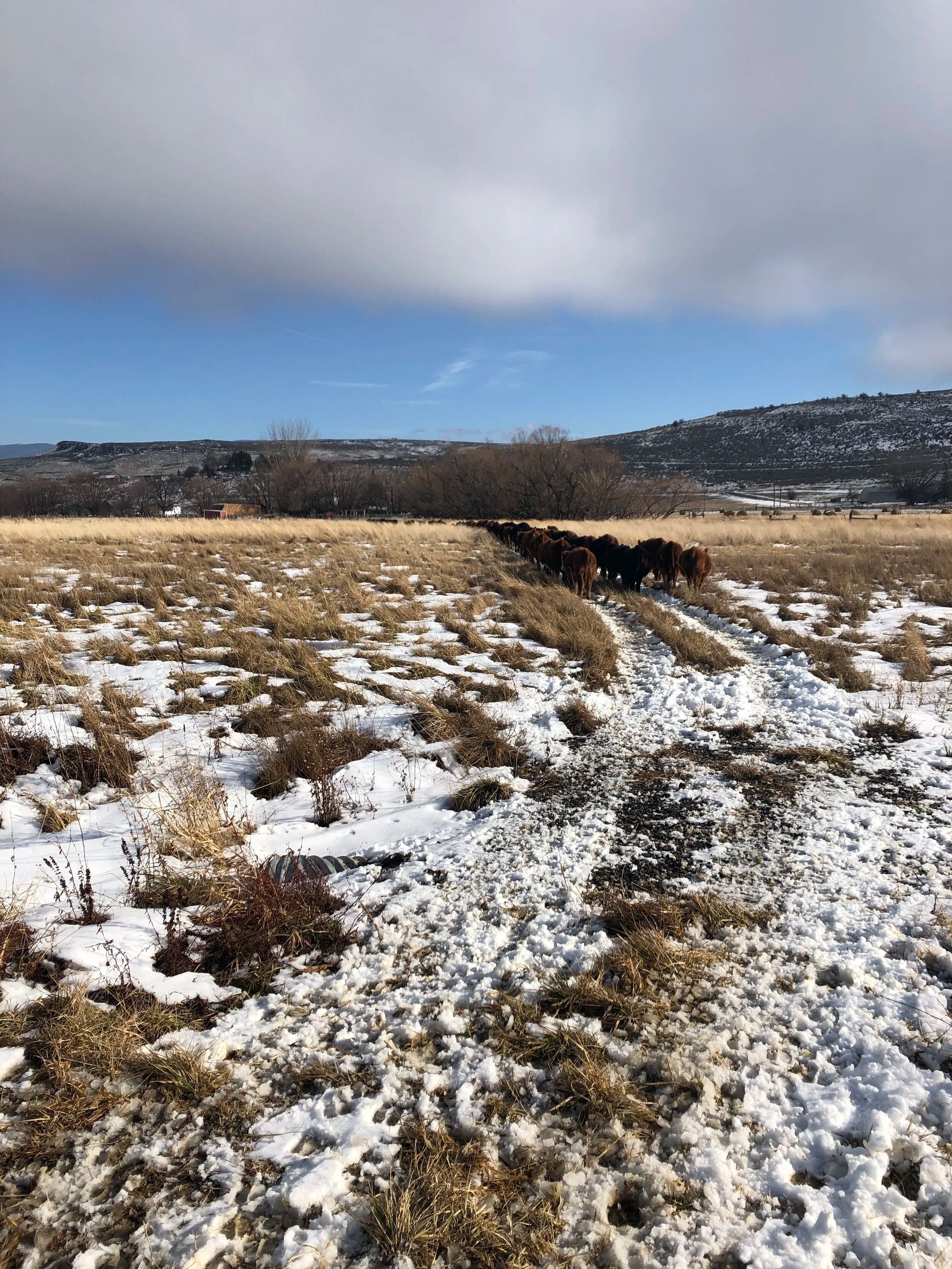
Holistic Management asks us to value diversity and complexity in our community of plants, animals, people, assets, cash flow, and life in general. The more diverse and complex our community, our resource base, the more resilient we will be. With resilience, we can better recover from disruption. And there will be disruptions.
People need to find their own way, which we can support by providing space. Physical, emotional, and economic safety are important elements of space. Feeling safe can only come within one’s changing context.
The Best Day of Your Life- Understanding your Core Values
Reading Holistic Management theory can be pretty boring. Boring means we yawn and don’t engage. Maybe that is why so few people that have gone through the Holistic Management courses actually practice Holistic Management. If we don’t get past the theory and bring it alive and meaningful to our life, it just doesn’t work.
How can we make our quality of life statement meaningful? I spent one of the best days of my life with my Uncle Tom. He provided the reality check in a way only a rebel could. Here is that story…
Bullies with Guns vs. Nurturing the Desire to Aspire
We have two more mass killings fading into history without any meaningful action. Shootings are extreme symptoms of some imbalance. The root cause of that imbalance costs our communities more than we know.
It seems commonsensical that prudent background checks and access to military assault weapons need to be addressed. Beyond that, what is amiss in our community?
I think being more conscious of guiding those experiencing typical growing pains could better support our next generations to make empowered decisions at the soil surface. That begins with having an intolerance for bullies and nurturing the desire to aspire.
We Have Data. Where’s Yours?
Daily blatant lying has become the norm. Letting lies lie can be dangerous if left to become a false reality. This can be particularly damaging when making decisions at the soil surface.
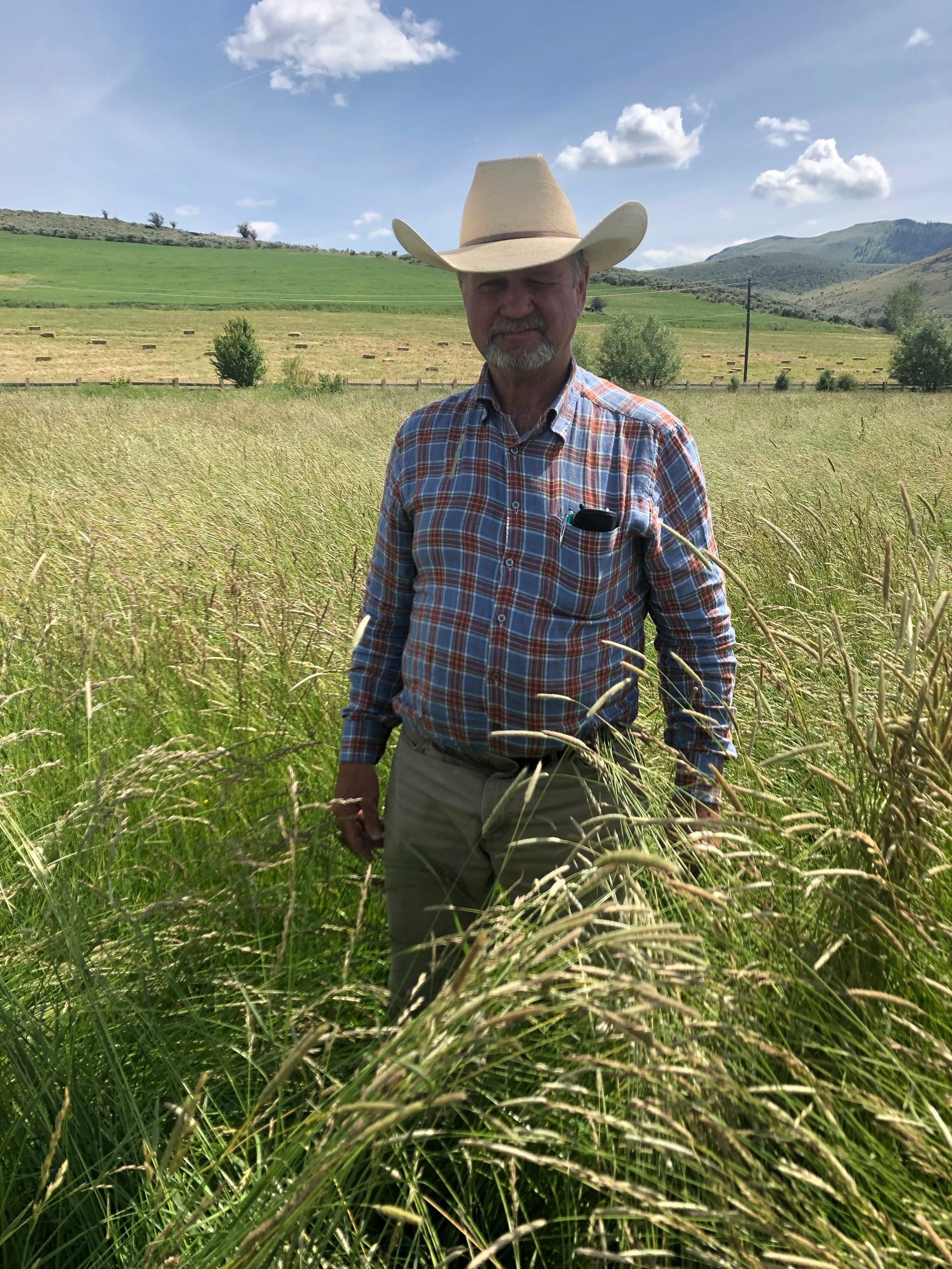
My neighbor in Wyoming pointed out this tendency to me years ago. Clyde told me that when something happens, it seems so significant that we can’t imagine ever forgetting. Yet, time has a tendency to warp our memory to shade the event in more dramatic or rosy hues. Monitoring can clear the lens of our perception.
After my first Holistic Management training, I came home with a new awareness of ecosystem function. I became certain that our water cycle was dragging down our ranch’s land health. After establishing permanent trend and condition transects, it became obvious that the mineral cycle was the most dysfunctional part of our landscape.
As old-time holistic manager, Greg Simonds famously said, “You can’t manage what you don’t measure.” This seems obvious but more importantly we need data to interrupt confirmation bias, develop a line of discussion for the uninformed, prepare a check and balance for the mis-informed, and establish a line of defense for the bullies. These characters may even be us.
A changing planet brings more scrutiny to land managers’ results. Many complex indicators weave an ecosystems tapestry beneath our feet and we cannot expect to make solid management decisions without knowing a site’s stability and/or trend. The question is not whether we should monitor our ecosystem health but how best to establish a baseline and monitor our context over time.
We have data, where’s yours?
Skipped A Beat
All,
For the past two years, I have been dealing with a nasty hip pain. I worked hard in physical therapy and exercise to heal without surgery. I learned that sometimes we just need to sleep in the bed we made for ourselves.
The Holistic Management decision-making process begins where we are, no matter what state that may be. We start with the state of our lands ecological health, today. We begin with the state of our bank account, today. We begin with the relationships we have with our family, our crew, and our community, today. We begin with the state of our infrastructure on our ranch and in our community, today.
This blog uses my hip pain to demonstrate how we use our holistic context on a daily basis. Every morning we wake up to the reality of our being. Every day our starting point begins here. Acknowledging the truth of our reality defines our ability to move toward our desired quality of life. Every decision we make begins by acknowledging truthfully, where we are, now, and continues with how we are going to get to create our future resource base necessary to achieve our desired future.
Tony
Trying to Think Like a River
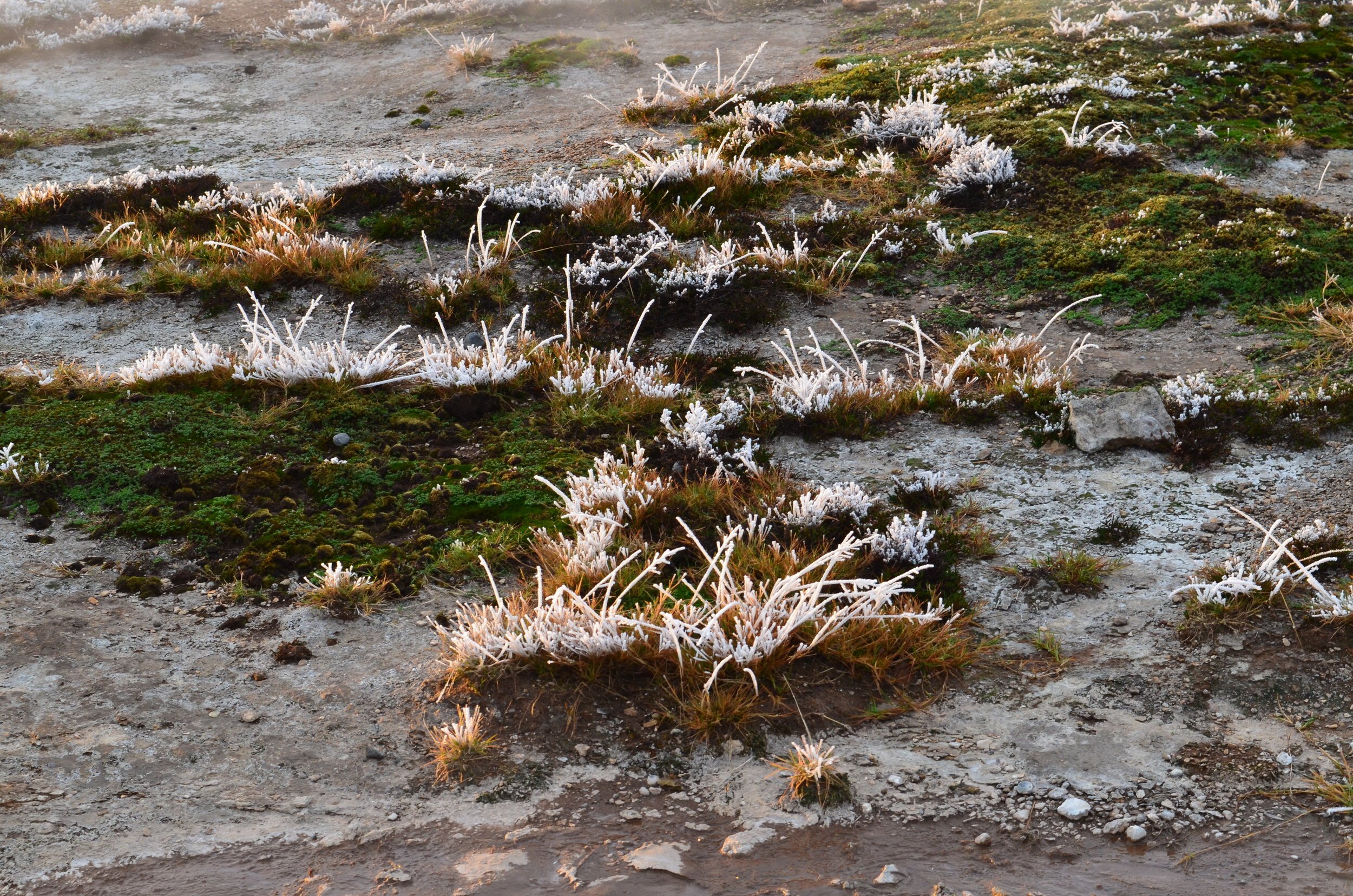
As an encore, we are sharing: Think Like a River – Finding Peace of Mind through Holistic Management. It seems fitting to share with you given the previous blog on log jams and the mood in which we find ourselves.
Don't Fence Me In
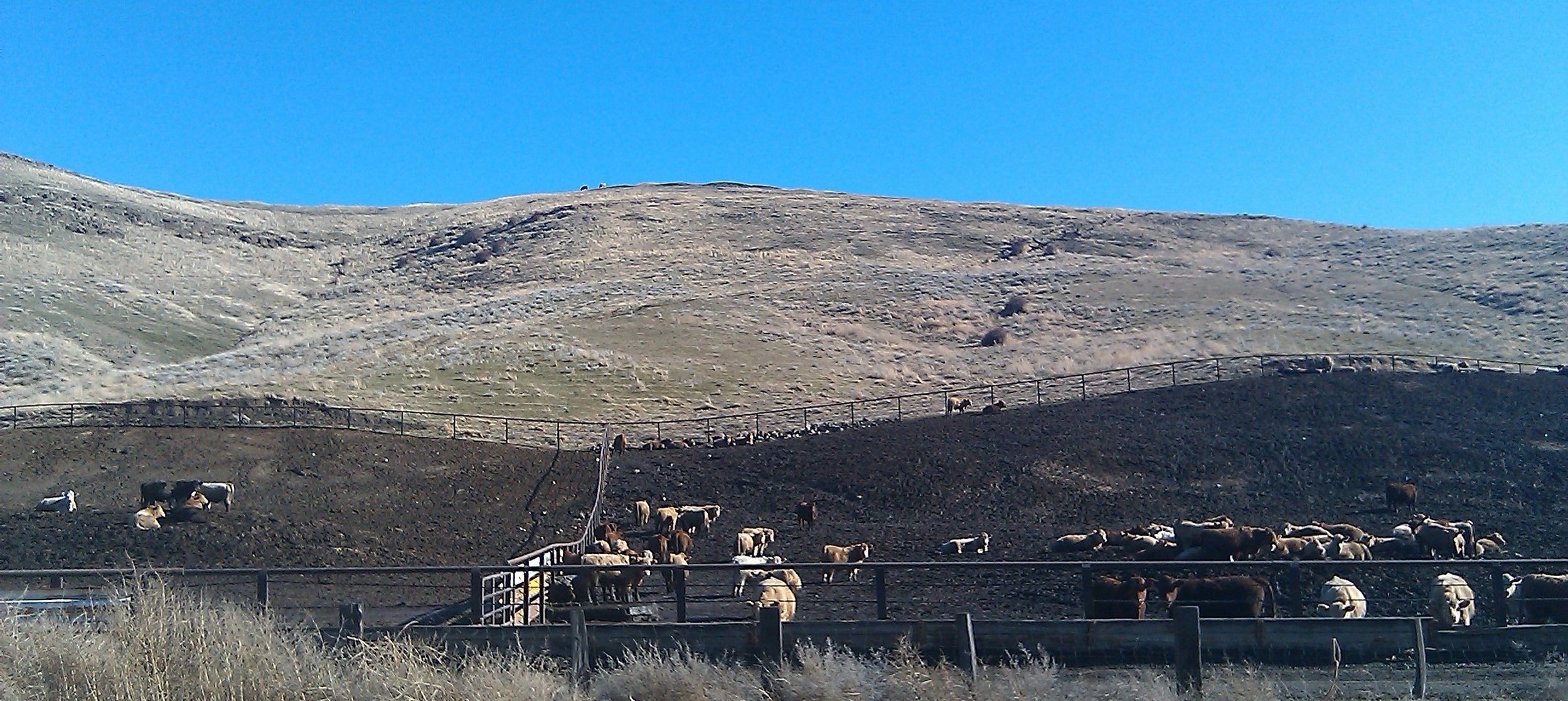
The American Prairie Reserve and Wild Sky Beef are adding diversity and complexity to the Northern Great Plains. They are looking to free up the movement of animals, increase plant diversity, and be more tolerant of predators. They have the means to incentivize their neighbor ranchers toward this end. I recently was invited to be on a panel at their Living with Wildlife conference and I dropped the ball. This blog is about the message I wish I would have conveyed.
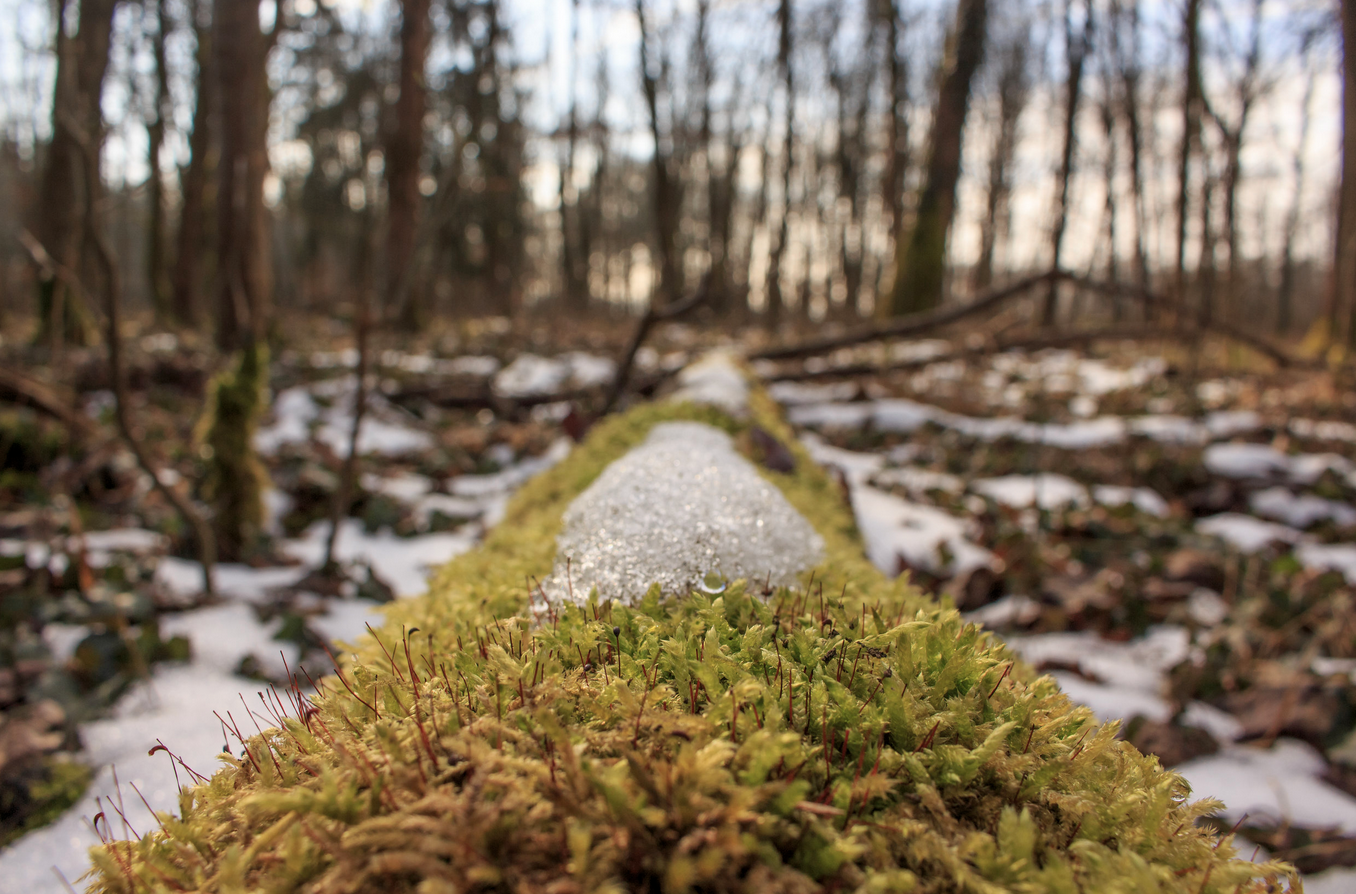
Logjams - The Sacred or the Obvious
Our highest marginal reaction moment happens, when we find and eliminate a logjam. Make it a point to set time aside at the beginning of your planning cycle, each year, and root out your logjam(s). Often unrecognized for a long time, logjams lurk beneath your consciousness sucking creativity, money, and our social influence. Often, one finds the logjam in the last places we would ever look - the sacred or the obvious. How can we rethink logjams and look at this most potent component of the planning process differently?